
ATS vs STS: Key Insights Engineers & Contractors Must Know (Plus YUNT’s 1MW STS Solution)
When it comes to critical power switching, choosing between Automatic Transfer Switch (ATS) and Static Transfer Switch (STS) directly impacts load reliability, maintenance costs, and project success. For engineering contractors, understanding their core differences, technical pros, and ideal use cases is non-negotiable—especially in high-stakes sectors like data centers, healthcare, and industrial energy storage.

1. ATS vs STS: Core Differences Every Contractor Should Master
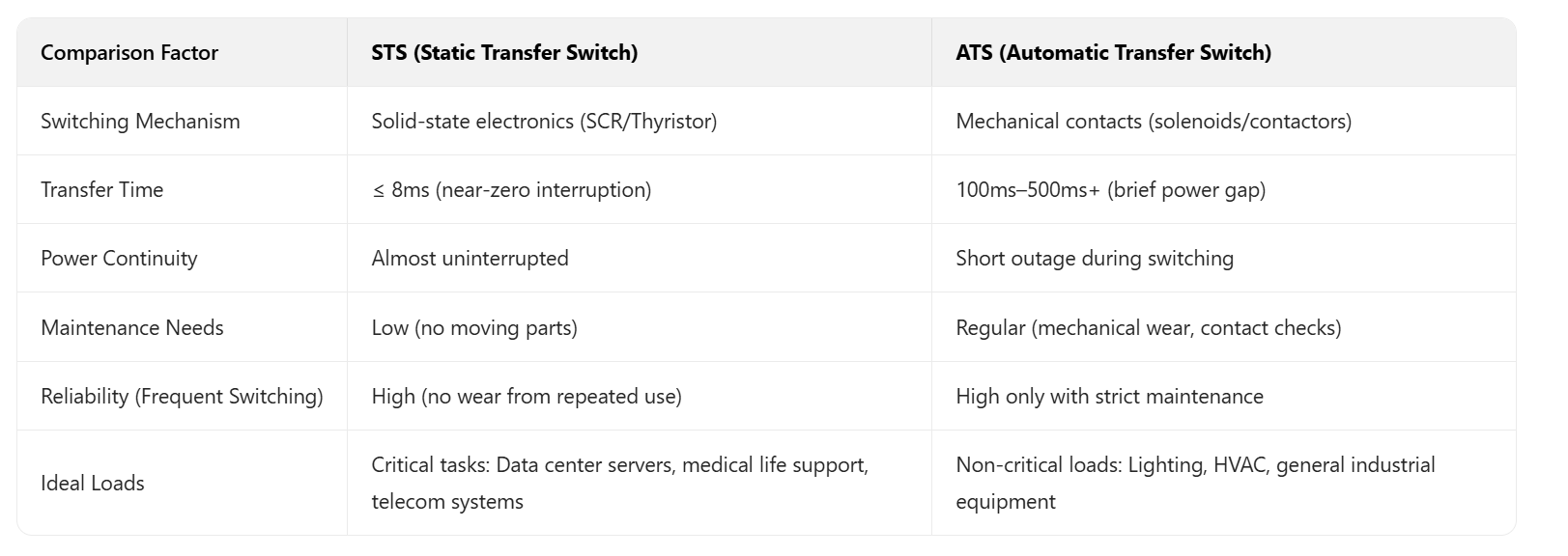
The biggest divide between ATS and STS lies in switching mechanism, speed, and suitability for critical loads. This table breaks down the must-know specs:
2. Common ATS vs STS Questions from Engineers (Answered)

Contractors often face on-site dilemmas about which switch to deploy—here are solutions to the most frequent questions:
Q: Can STS handle frequent switching?

A: Yes. Its solid-state design allows unlimited fast switches without mechanical wear, making it perfect for dynamic energy systems (e.g., solar-storage-diesel hybrid setups).
Q: Is ATS maintenance heavy?

A: It requires regular checks (every 6–12 months) to inspect contact wear, clean components, and prevent failure—critical for long-term reliability.
Q: Which has lower long-term costs?

A: ATS has lower upfront costs but higher maintenance expenses. STS costs more initially but cuts maintenance bills drastically, delivering better ROI for critical applications.
3. YUNT 1MW STS Cabinet: Solving ATS Limitations for Industrial & Commercial Use
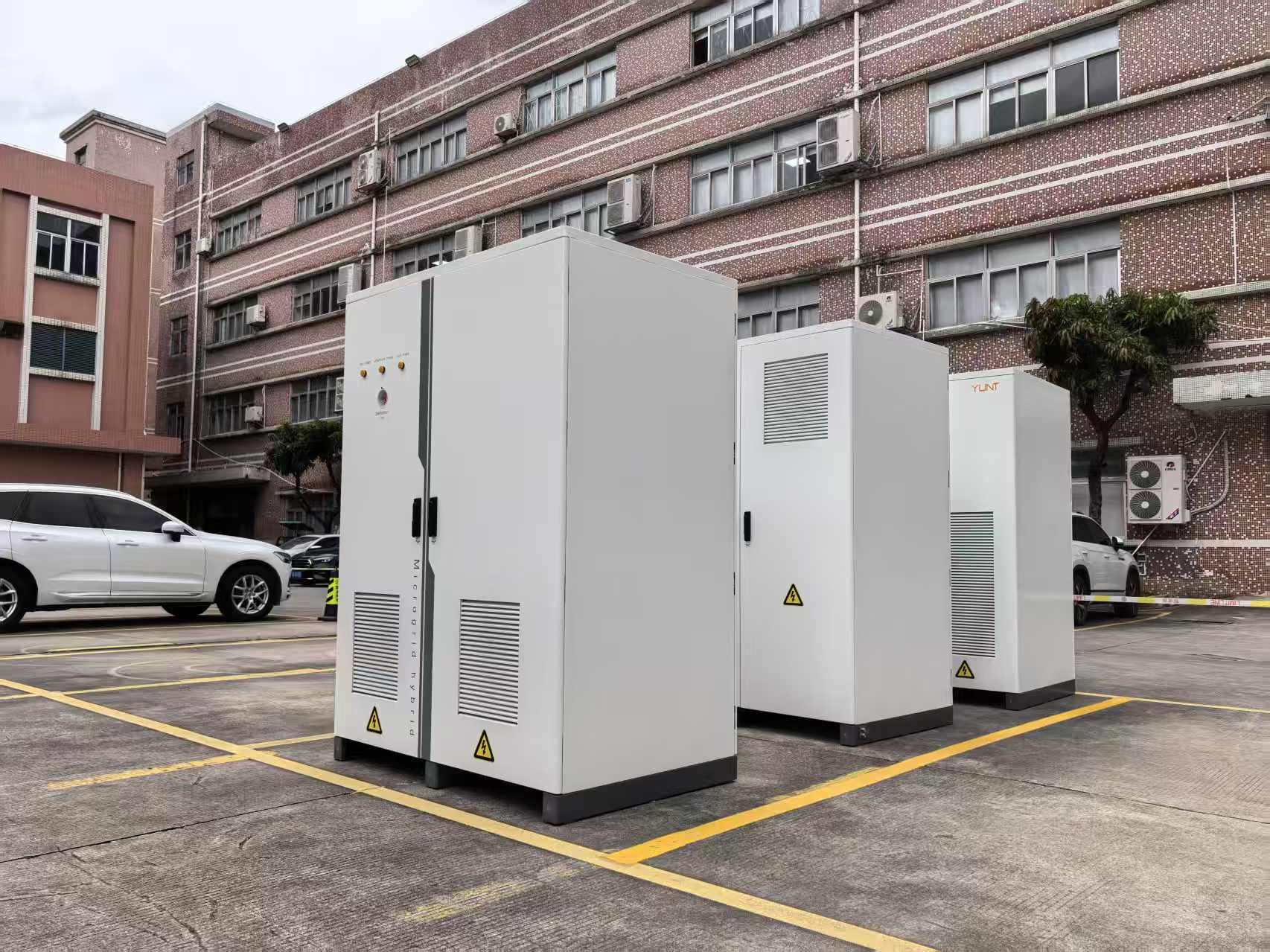
Traditional ATS struggles with slow switching, mechanical wear, and poor compatibility with multi-energy systems (e.g., solar, storage, diesel). YUNT Energy’s 1MW Static Transfer Switch (STS) cabinet addresses these pain points—becoming the “millisecond guardian” for high-reliability power needs.
Key Advantages Over Standalone ATS
Millisecond Switching (Zero Perception)
Uses bidirectional thyristors and smart algorithms to switch between grid, diesel generators (DG), and storage in ≤8ms. Paired with ATS (for backup power ), it ensures critical loads (e.g., industrial production lines, data servers) stay online with no downtime.
1MW Integrated Design (No Redundant Stacking)
Single cabinet delivers 1MW output, eliminating the need for multiple small switches. Ideal for large projects (industrial parks, big data centers) to simplify deployment and cut costs.
Low-Maintenance & High Durability
No mechanical parts mean 3x longer MTBF (Mean Time Between Failures) than ATS. IP54 protection lets it run outdoors, resisting dust and rain without frequent checks.
Modular Scalability
Supports parallel connection of PCS (e.g., 2x 500kW PCS for 1MW, expandable to 2MW). Adapts to kW-to-MW upgrades for growing commercial/industrial energy storage needs.
Why This Matters for Your Next Project

Choosing between ATS and STS isn’t just about specs—it’s about matching the switch to your load’s criticality. For non-essential systems, ATS works; for mission-critical setups, STS (or ATS+STS hybrid) is a must. YUNT’s 1MW STS cabinet bridges the gap, offering the speed and reliability modern multi-energy projects demand.