
Mobile Energy Storage for Oilfield Microgrids
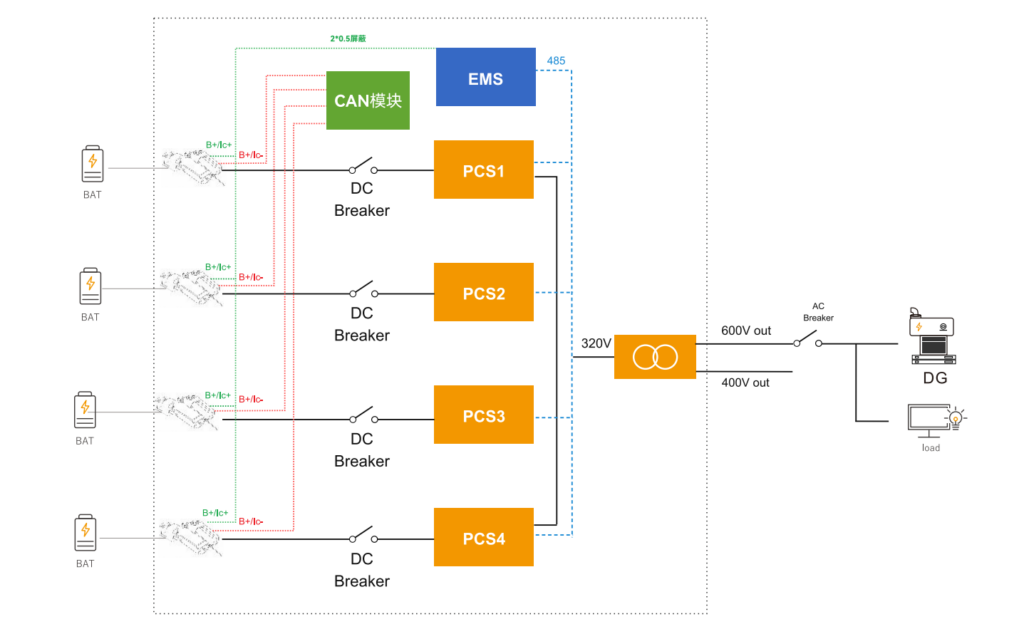
In oilfield operations, reliable power is about more than simply having electricity available. Workover and hydraulic fracturing operations can involve large power-consuming equipment running at the same time, while the load can change rapidly within a short period. For some well sites, the existing grid capacity cannot meet these demands, making diesel and gas generator […]
TÜV and SGS: Why Certification Matters for Energy Storage Exports
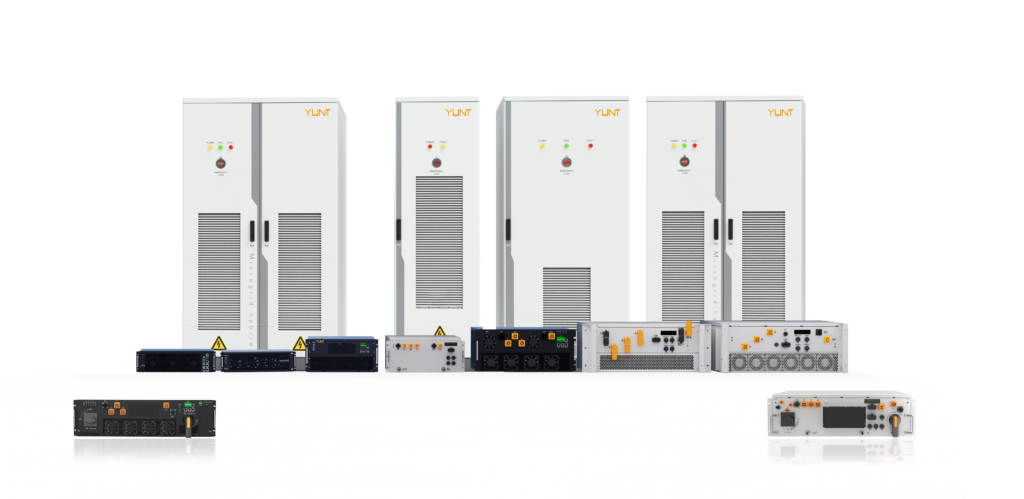
For energy storage equipment entering overseas markets, successful hardware development is only the beginning. EPC contractors, distributors, and project developers often treat compliance certification and grid-code testing as essential conditions for project delivery. Without the right certifications and local grid compatibility, even technically capable equipment can face delays, additional costs, or difficulties during project acceptance. […]
SiC: Why 1% Efficiency Matters in C&I Energy Storage
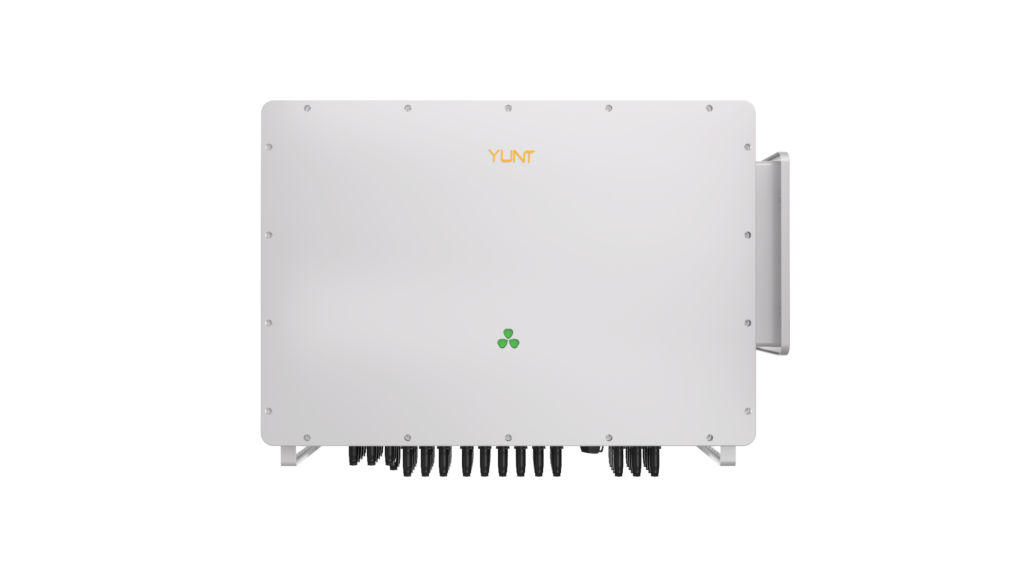
In commercial and industrial energy storage, small differences in conversion efficiency can become significant over years of continuous operation. When selecting an energy storage converter or MPPT module, project developers may see figures such as 97.5% and 98.5% on a datasheet and consider a 1% difference insignificant. In practice, the accumulated impact of that difference […]
Neptune-D: The Standardized Electrical Hub for Complex Microgrids
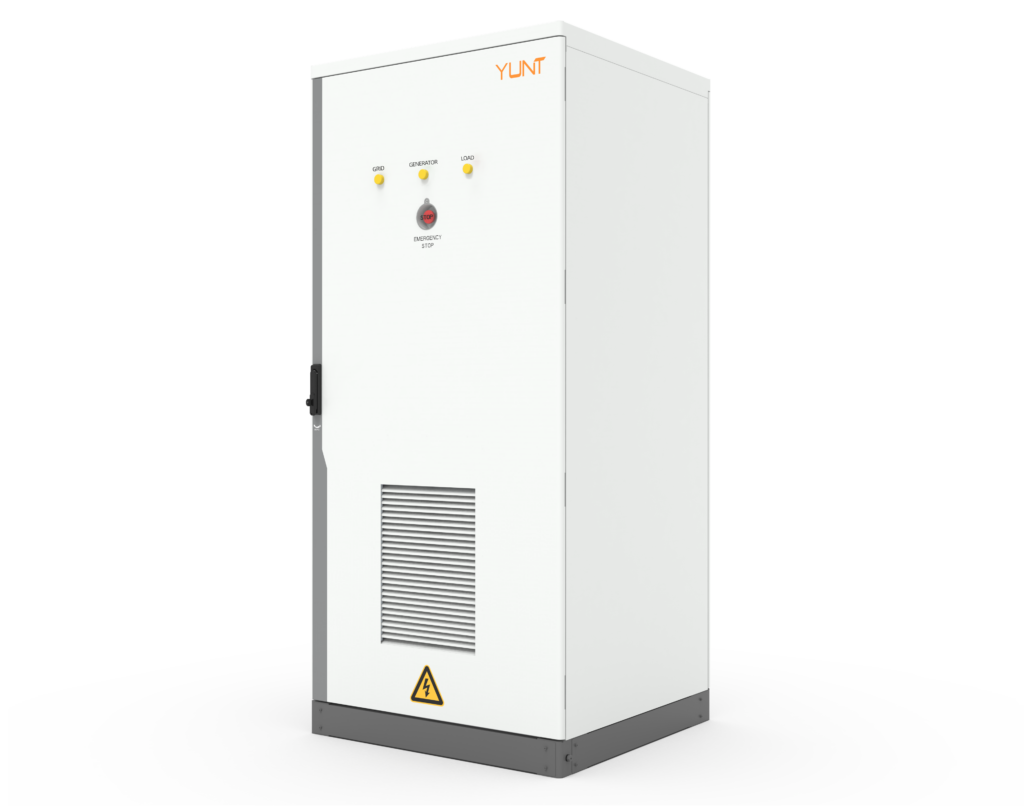
For remote mines, water treatment plants, island resorts, and large farms, microgrids often combine PV, energy storage, diesel generators, and unstable public grids. As these systems become more complex, starting every project from scratch can create significant challenges for EPCs and system integrators. A standardized energy storage solution can help move the focus from repeated electrical […]
Breaking the Barrel Effect: Independent Battery Connections for Energy Storage
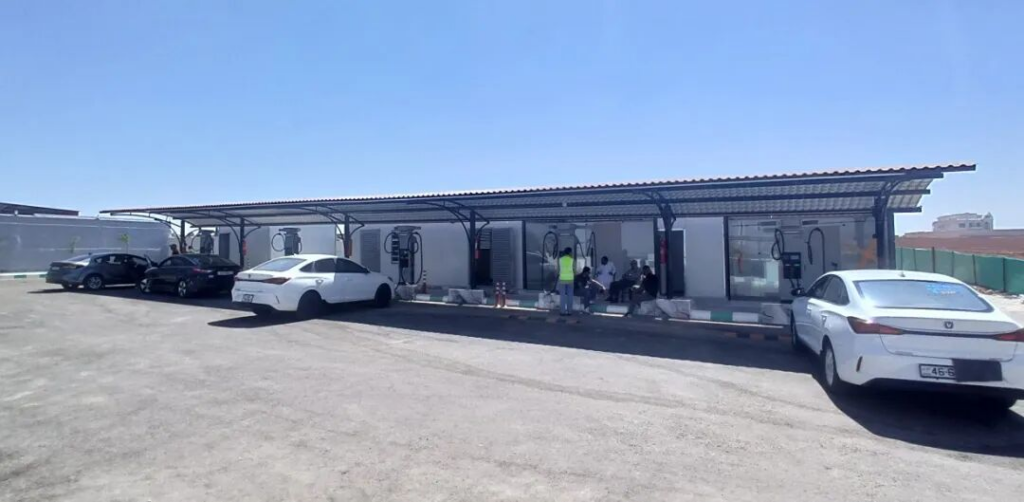
In large-scale commercial and industrial energy storage projects, battery integration architecture can have a significant impact on system efficiency, reliability, and long-term operation. When multiple battery clusters are simply connected in parallel, differences in voltage, SOC, temperature, and aging can create problems that are difficult to manage at the system level. A more independent power […]
Why Global System Integrators Need a Focused Power Conversion Partner
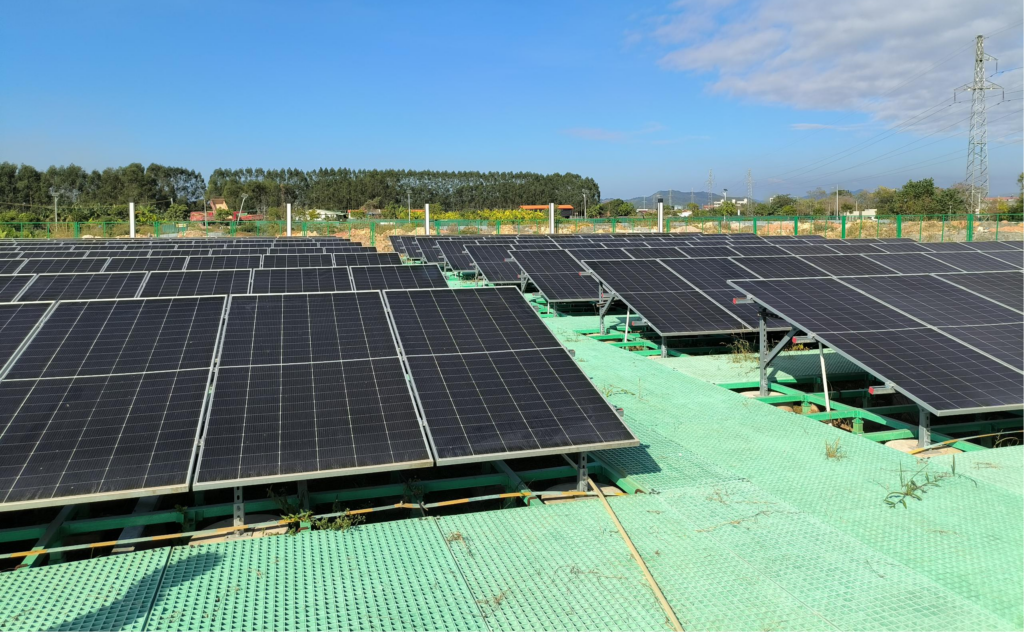
As the global energy storage and microgrid market continues to expand, system integrators (SIs), project developers, and EPCs are taking on the role of coordinating battery cells, PACKs, PCS, fire protection systems, and local engineering for complete project delivery. For these companies, choosing an ESS inverter manufacturer is not simply a matter of comparing equipment specifications. […]
From PCS Equipment to a Complete Microgrid System: A Guide for Global EPCs
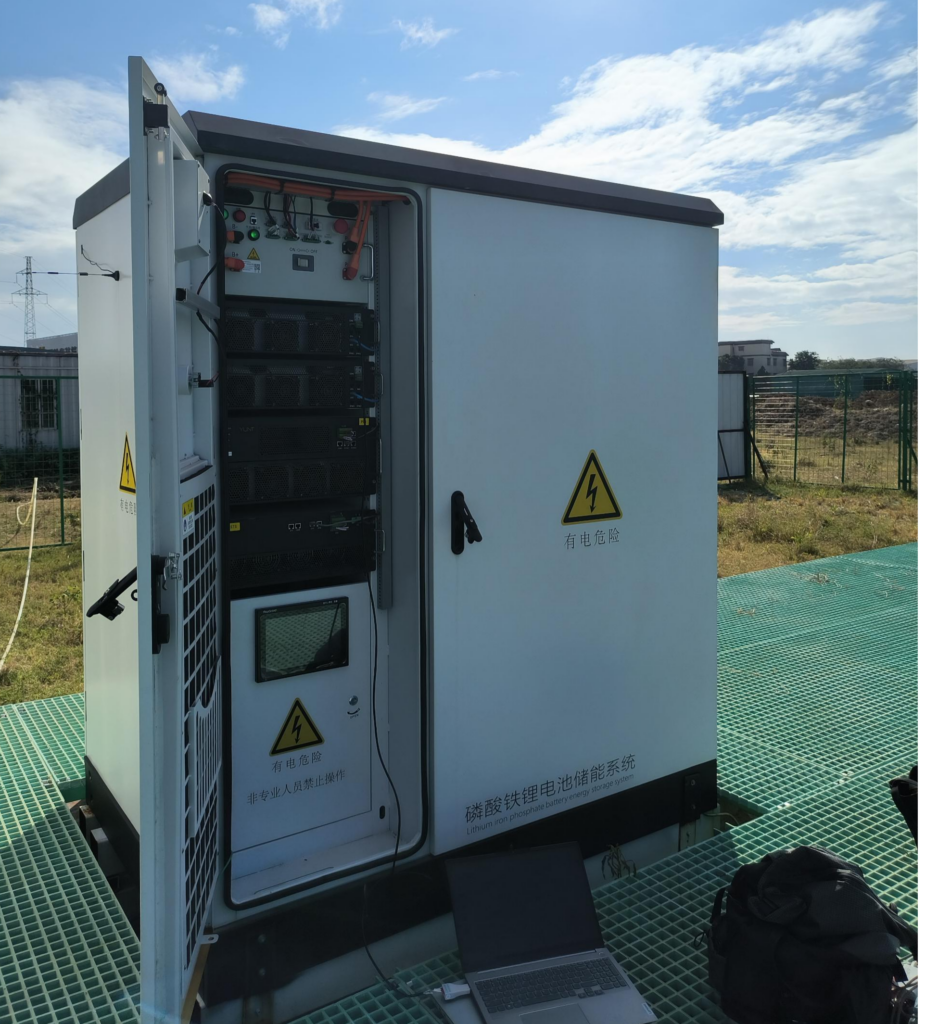
For EPCs working on overseas energy storage and microgrid projects, selecting a PCS is only one part of the engineering process. Beyond the specifications listed in a datasheet, projects must account for local grid conditions, multiple power sources, environmental challenges, and on-site commissioning. A suitable energy storage inverter factory should therefore be considered not only from […]
Vietnam: How Energy Storage Solves PV Integration Challenges
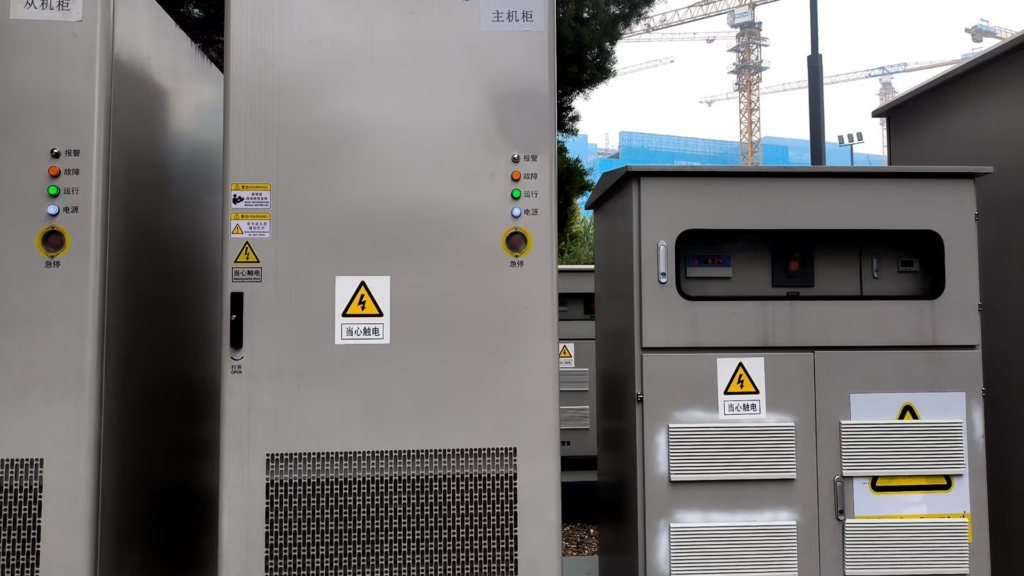
As manufacturing expands across Vietnam and other Southeast Asian countries, more factories are installing large rooftop photovoltaic arrays to meet their energy needs. Yet increasing PV capacity can create a new operational challenge when solar generation does not match the factory’s load profile. Energy storage system solutions can help bridge this gap by coordinating PV generation, […]
UK: Why Small C&I Energy Storage Needs System-Level Design
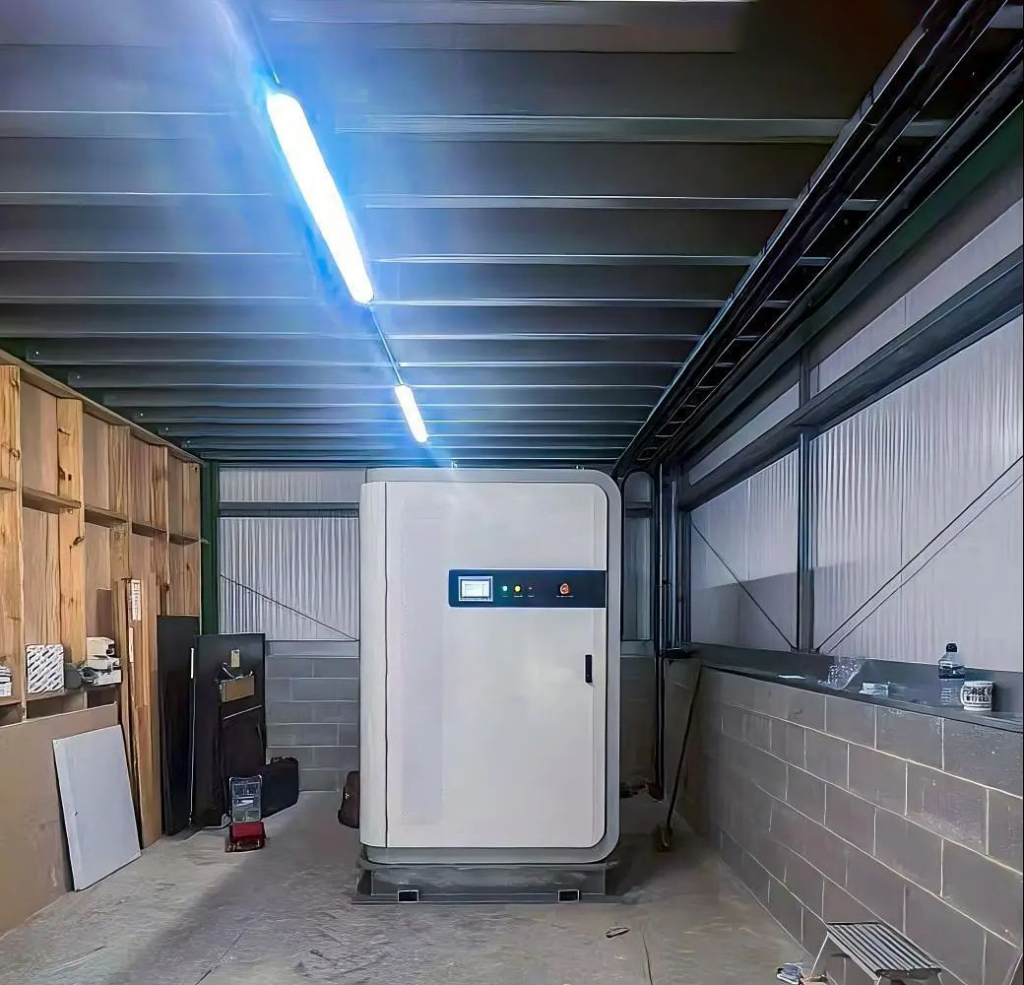
Small commercial and industrial energy storage projects may have lower power ratings, but their engineering requirements are not necessarily simpler. In the UK, logistics warehouses, small precision manufacturing facilities, chain supermarkets, and commercial buildings often have limited space and constrained distribution transformer capacity. These conditions make modular energy storage system designs particularly relevant when considering power […]
Austria: Energy Storage for Hotels and Commercial Buildings
Hotels and commercial buildings in Austria and across Europe need to balance everyday energy costs with reliable power for critical operations. Elevators, fire protection systems, central air conditioning, access control, and payment systems may all depend on continuous electricity. An appropriately configured energy storage system design can combine peak-valley energy management with emergency power support, helping […]